West Hampstead bulky waste permits Camden Council guide
Posted on 25/06/2026
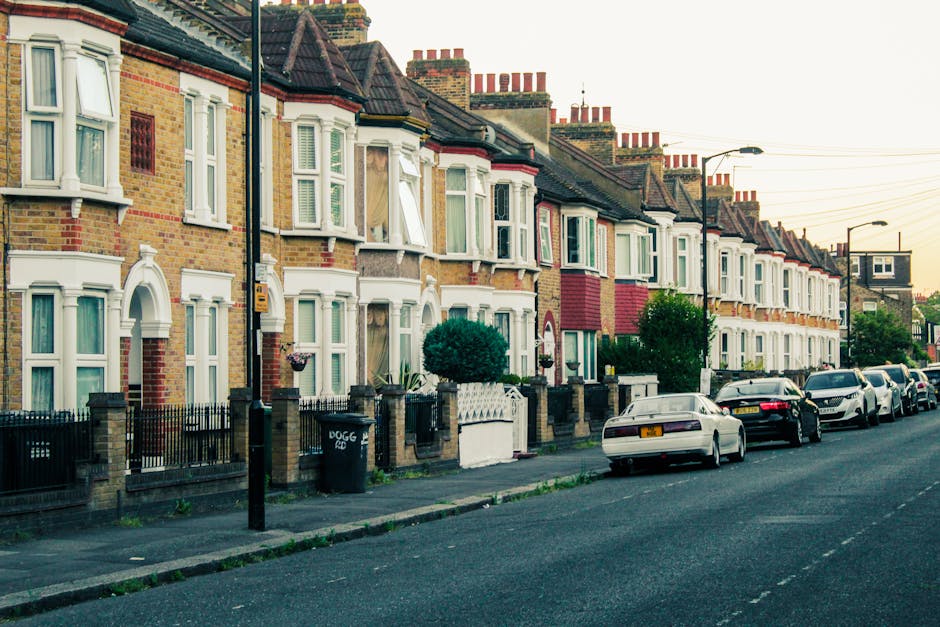
If you are staring at an old sofa, a broken wardrobe, or a stack of renovation offcuts in West Hampstead, you are probably asking the same thing many residents ask: do I need a bulky waste permit, and how does Camden Council handle it? This West Hampstead bulky waste permits Camden Council guide is here to clear that up in plain English. The rules can feel a bit fiddly at first, especially if you are trying to decide between council collection, taking items somewhere yourself, or booking a private clearance. But once you know the basics, the process becomes much easier.
In this guide, you will learn what bulky waste permits are for, when they matter, what Camden-style local expectations usually look like, and how to avoid the common mistakes that cause delays or extra costs. If you are also comparing wider rubbish removal options, you may find it useful to look at rubbish clearance in West Hampstead or our services overview while you read.
- Why this guide matters
- How the process works
- Key benefits and practical advantages
- Who needs it and when it makes sense
- Step-by-step guidance
- Expert tips for better results
- Common mistakes to avoid
- Tools, resources and recommendations
- Law, compliance and best practice
- Options and comparison table
- Real-world example
- Practical checklist
- Conclusion
- Frequently asked questions
Why West Hampstead bulky waste permits Camden Council guide Matters
Bulky waste sounds simple enough. It is just large household rubbish, right? Well, yes and no. In practice, bulky waste often involves rules about size, quantity, access, timing, and whether the items are being collected by the council, left for a private contractor, or moved by a resident. In a busy part of London like West Hampstead, that matters because the wrong approach can mean missed collections, complaints from neighbours, or items being rejected altogether.
This matters even more in flats, mansion blocks, and narrow residential streets where storage space is limited and bins are already under pressure. A broken bed base sitting outside the wrong day can become a nuisance very quickly. And let's face it, nobody wants to be the person holding up the pavement with a ripped mattress and a vague hope that "someone will deal with it soon".
A good guide helps you separate three things that often get mixed together: council bulky waste collection, permit-based street use or access arrangements, and private rubbish removal. That distinction saves time. It also helps you avoid doing something that seems harmless but actually causes a headache later on.
Expert summary: The safest way to handle bulky waste in West Hampstead is to identify the item type first, check whether Camden Council accepts it, and then decide whether council collection or a private clearance service is the cleaner, faster option.
If your load is more than a single awkward item, or if it includes mixed waste from decorating, moving, or a clear-out, it may be worth looking at house clearance in West Hampstead or waste removal in West Hampstead instead of trying to stretch a bulky item collection beyond what it was meant for.
How West Hampstead bulky waste permits Camden Council guide Works
The exact process depends on what you are disposing of and how much of it there is, but the basic logic is straightforward. Councils usually treat bulky waste as large household items that cannot go out with normal weekly bins. Think sofas, wardrobes, tables, mattresses, large appliances, and similar pieces. Some items are accepted through council collections, while others may need special handling because of their size, condition, or material.
Where permits come into the picture is usually around access and placement, not the waste itself. For example, if items need to be placed on a public highway, collected from outside a property with restricted access, or handled in a way that affects parking or loading, a permit or formal arrangement may be needed. That is why people often search for a bulky waste permit when what they actually need is a collection booking, a parking arrangement, or a route that avoids the permit issue entirely.
There is another layer too: some items are simply not suitable for a standard bulky waste slot. White goods, broken furniture, builders' debris, garden waste, and office items can all fall into different buckets. It sounds bureaucratic, and in a way it is. But there is a reason for it: disposal sites, reuse routes, and safety rules are different for each type of material.
If the waste came from a renovation or repair job, you may be better served by builders waste disposal in West Hampstead. If it came from an office move, office clearance is the more sensible path. Simple distinction, big difference.
Truth be told, the best outcome usually comes from matching the waste to the correct route before you book anything. That one bit of thinking upfront can save a lot of back-and-forth.
Key Benefits and Practical Advantages
Getting the process right is not just about staying on the right side of rules. There are real practical benefits, too.
- Less risk of rejection: When you know what the collection accepts, you are less likely to have items refused on the day.
- Cleaner streets and safer access: Proper arrangement means fewer obstacles on pavements, steps, and shared entrances.
- Better cost control: Choosing the right route from the start avoids paying for the wrong service twice.
- Less neighbour friction: In flats and terraced streets, timing and placement matter more than people expect.
- Better recycling outcomes: Sorted items are usually easier to reuse, recycle, or divert from landfill where possible.
There is also a psychological benefit, oddly enough. Once the bulky item is gone, the whole room feels different. A hallway suddenly feels wider. A spare room starts looking like a room again rather than a storage problem with a window.
For many households, this is part of a bigger tidy-up. If that is you, our your rubbish removal needs page can help you think through the wider picture without overcomplicating it.
Who This Is For and When It Makes Sense
This guide is most useful if you are dealing with one of these situations:
- you are clearing out a flat in West Hampstead and have one or two large items left over
- you are replacing furniture and need the old pieces removed responsibly
- you are moving out and want to avoid leaving bulky waste behind
- you have renovation waste mixed in with household clutter
- you manage a rental, leasehold property, or shared entrance where bulky items must be handled neatly
- you want to avoid fly-tipping risks and keep everything properly documented
It also makes sense if you are comparing council collection against a private clearance company. That decision is not always obvious. A council route can be fine for a small, planned disposal, but a private service may be better when access is awkward, timing is tight, or you have several different item types.
People often underestimate how quickly bulky waste becomes urgent. A landlord with a changeover deadline knows this well. So does anyone who has tried to fit an old wardrobe down a narrow stairwell at 8:30 on a weekday. Not ideal.
Step-by-Step Guidance
Here is a practical way to handle it without getting lost in the details.
- Identify the item clearly. Is it furniture, a mattress, an appliance, garden waste, or building debris? Mixed loads need extra care.
- Check whether it belongs in bulky waste. Some items are accepted under council schemes, others are not.
- Consider access and placement. Will the collection need pavement space, roadside loading, or lifting through a shared entrance?
- Decide whether a permit or booking is needed. If the item will affect the public highway or parking, that may trigger an extra arrangement.
- Choose the most suitable route. Council collection, private removal, reuse, or a specialist service all have different strengths.
- Prepare the items properly. Remove contents, separate hazards, and keep pathways clear.
- Keep records if needed. If you are a landlord, business owner, or managing agent, document what was removed and when.
A small but useful tip: take a quick photo before and after. It sounds basic, but in the real world it can help you remember exactly what was collected and what still needs attention. Handy when life gets messy, which it does.
Expert Tips for Better Results
From a practical standpoint, these are the habits that make bulky waste jobs easier.
- Separate items by material. Wood, metal, textiles, and electronics are often handled differently.
- Measure doorways and stairwells. If something will not fit, do not wait until the morning of collection to discover that.
- Book around access windows. In West Hampstead, parking and loading can be the real issue, not the waste itself.
- Avoid last-minute pile-ups. Staging items early is fine; blocking exits is not.
- Ask about reuse or recycling routes. A responsible clearance approach should not treat everything like landfill-bound rubbish.
One practical observation from everyday jobs: the better prepared the waste is, the smoother the collection usually goes. A couple of minutes spent untangling items, removing loose screws, or emptying cupboards can save everyone time on site. It is the dull bit, but it matters.
If you are dealing with wetter, leafier waste after a garden project, you may want to compare that with garden waste removal in West Hampstead, because green waste and bulky household waste are rarely treated the same way.
Common Mistakes to Avoid
A lot of bulky waste problems come from small mistakes, not dramatic ones.
- Leaving items out too early. This can create a street obstruction or invite complaints.
- Assuming every large item is accepted. Some materials need a different route entirely.
- Forgetting access constraints. Flat blocks, controlled parking zones, and tight side streets change the plan.
- Mixing hazardous items with ordinary bulky waste. That is a poor idea for obvious safety reasons.
- Picking the wrong service for the job. A simple furniture removal is not the same as a full property clearance.
Another common one is trying to save time by overloading the process. One collection is booked, but three different categories of waste show up. That's when things get messy. Better to be clear from the start, even if it takes an extra ten minutes.
Tools, Resources and Recommendations
You do not need a toolbox full of specialist equipment, but a few simple things help.
- Tape measure: useful for checking item size and access points.
- Marker pen or labels: helpful if multiple people are sorting items.
- Phone camera: great for records, especially in shared properties.
- Strong gloves: useful if items have splinters, broken edges, or dust.
- Clear packing supplies: bins, bags, or boxes for loose contents.
For people who want a simpler all-in-one route, a professional collection can be easier than trying to assemble several moving parts. If that sounds more like your situation, you may want to explore waste removal in West Hampstead or house clearance services rather than wrestling with multiple bookings.
Also, if you care about greener disposal, take a look at recycling and sustainability. It helps frame the decision around reuse and responsible sorting, not just getting rid of stuff fast.
Law, Compliance, Standards, or Best Practice
This is the part people often gloss over, but it is worth taking seriously. Bulky waste handling sits within wider UK waste management expectations, and residents should be careful not to place items in a way that causes obstruction, nuisance, or unsafe disposal. If you are using a council route, follow the booking rules closely. If you are using a private clearance service, make sure they are operating responsibly and handling waste in line with proper duty-of-care expectations.
Best practice usually means the following:
- do not leave waste where it can block access or create a hazard
- separate items where practical
- do not mix ordinary bulky waste with suspect materials
- keep proof of booking or collection where relevant
- choose a service that explains what happens to the waste afterwards
In shared buildings, there may also be lease or building-management rules that sit alongside council expectations. That is not glamorous reading, admittedly, but it can save you from awkward emails later. If you are handling a move, a flat sale, or a tenancy change, it may help to read our related articles on selling homes in Hampstead or real estate advice in Hampstead for broader property context.
Options, Methods, or Comparison Table
Choosing the right route is usually easier once you compare them side by side.
| Option | Best for | Pros | Watch-outs |
|---|---|---|---|
| Council bulky waste collection | One-off household items | Often straightforward for small loads; suitable for planned disposal | May have item restrictions, booking rules, or access limitations |
| Private bulky item removal | Urgent, awkward, or mixed items | Flexible timing; suited to flats and tight access | Costs vary; you should confirm what is included |
| Full house clearance | Whole-property clear-outs | Efficient for multiple rooms and mixed contents | Too much service for a single item if that is all you need |
| Builders waste disposal | DIY or renovation debris | Better for rubble, timber, plasterboard and similar waste | Not suitable for ordinary bulky household items in isolation |
The comparison is really about fit. The wrong service can still remove the waste, perhaps, but it will not be the neatest or most economical solution. That is the bit people sometimes miss.
Case Study or Real-World Example
A common West Hampstead scenario goes like this. A couple finishes a flat move and discovers an old sofa, a broken chest of drawers, and a mattress they had planned to sort "next weekend". The hallway is narrow, the lift is small, and the neighbours are not thrilled about extra clutter in the communal entrance. They initially think a bulky waste permit is the answer, but once they look at the actual situation, they realise the bigger issue is access and timing.
After checking what could be collected together, they separate the items, clear the route to the entrance, and choose the most suitable removal option for the load. The result is quieter, faster, and far less stressful. No one is dragging a mattress down the stairs at the last minute, which, honestly, is a win all round.
That kind of example shows why local knowledge matters. In a place like West Hampstead, the issue is not just waste. It is shared space, parking, timing, and making sure the whole thing fits the building reality rather than a perfect spreadsheet plan.
Practical Checklist
Use this before you book or move anything outside.
- Have I identified the exact item or items to remove?
- Are any items damaged in a way that makes them unsafe to handle?
- Do I know whether the waste is bulky household waste, builders waste, garden waste, or office waste?
- Will collection or removal affect shared access, parking, or the pavement?
- Do I need to book in advance or arrange access with a building manager?
- Have I removed contents, batteries, or loose materials where relevant?
- Is there a better option than bulky waste collection for this load?
- Do I have a photo or record of the waste for my own reference?
- Am I keeping the route clear for residents, visitors, and staff?
- Have I checked sustainability and reuse options where practical?
If you can tick most of those off, you are in good shape. If not, pause and re-check before putting anything on the kerb or booking the wrong service.
Get a free quote today and see how much you can save.
Conclusion
Dealing with bulky waste in West Hampstead does not need to become a whole project. Once you understand how Camden-style collection rules, access considerations, and permit questions fit together, the decision becomes much simpler. The real trick is not forcing every item into the same process. It is choosing the route that matches the waste, the building, and the timing.
That is what a good West Hampstead bulky waste permits Camden Council guide should do: remove the guesswork, reduce the faff, and help you get the job done properly the first time. Whether you are clearing a flat, replacing furniture, or tidying up after a renovation, a little planning goes a long way.
And once the clutter is gone, you feel it. The room breathes again. So do you, a bit.
 Tipper Van - Rubbish Clearance and Garden Waste Collection Prices in West Hampstead, NW6
 Luton Van - Rubbish Clearance and Garden Waste Collection Prices in West Hampstead, NW6


