Avoid rubbish removal mistakes in West Hampstead gardens
Posted on 08/07/2026
Avoid rubbish removal mistakes in West Hampstead gardens: a practical local guide
Garden clear-outs look simple at first glance. A few branches, an old fence panel, some soil bags, maybe a broken planter or two. Then the pile grows, the wheelie bin overflows, the weather turns damp, and suddenly the whole job feels bigger than expected. If you want to avoid rubbish removal mistakes in West Hampstead gardens, the key is not just lifting and loading faster. It is planning what goes where, knowing what should never be mixed together, and choosing a disposal route that suits a London garden without creating extra mess or hassle.
This guide walks through the mistakes people make most often, why they matter, and how to handle garden waste in a cleaner, safer, more organised way. You will also find a checklist, a comparison table, and a realistic example from a typical West Hampstead garden clear-up. Nothing fancy. Just the sort of advice that saves time, keeps neighbours happy, and stops a tidy-up from becoming a mini nightmare.
Why Avoid rubbish removal mistakes in West Hampstead gardens Matters
Garden waste is not just "stuff from outside." It can include green waste, soil, rubble, timber, old tools, pots, plastic edging, broken furniture, and sometimes the odd mystery item that has been in the shed since forever. In West Hampstead, where gardens can be compact, shared, or tucked behind terraces, poor rubbish handling can spill into pathways, side access routes, and even communal spaces very quickly.
That matters for a few reasons. First, the wrong pile can become a safety issue: loose nails, sharp offcuts, unstable sacks, or wet soil make trips and slips more likely. Second, mixed waste often becomes harder and more expensive to remove. Third, there is the reputational side. Nobody wants to be the household with bags sat out for days when the bin lorry has already come and gone. Let's face it, a tidy front garden says a lot before anyone even rings the bell.
There is also a local angle. West Hampstead streets are busy, parking is tight, and access can be awkward, especially if you are clearing a long-neglected rear garden or doing work after a wet spell. A rushed approach usually creates more handling, more carrying, and more mess. The better approach is calm and sorted from the start.
How Avoid rubbish removal mistakes in West Hampstead gardens Works
Good garden rubbish removal starts with separating material by type. Green waste is one stream. General household junk is another. Heavy inert material, such as soil, bricks, and broken paving, usually needs a different approach again. This is where people trip up: they put everything in one heap and assume it all counts as "garden waste." It usually does not.
A sensible process looks like this:
- Survey the garden properly. Walk the space and identify what you actually have, not what you hope is there. Sometimes half the job is hidden under ivy or behind the compost bin.
- Separate waste into clear categories. Green cuttings, wood, metal, soil, rubble, mixed junk, and items for reuse or donation should not all be bundled together.
- Check access and lifting routes. Narrow paths, steps, fragile fencing, and awkward corners change how the job should be done.
- Decide what can be recycled. Clean wood, certain metals, and green cuttings often have better disposal routes than mixed waste.
- Choose the right removal method. A small green tidy-up may suit a light collection, while larger clearances often need a more complete waste removal plan.
If you are dealing with a bigger mixed load, it can help to review garden waste removal in West Hampstead alongside broader waste removal options. That gives you a better sense of whether the job is a simple green sweep or something more involved. Different piles, different outcomes. Simple as that.
Key Benefits and Practical Advantages
When garden rubbish is handled properly, the benefits are immediate and honestly quite satisfying. You get more usable space, less clutter, and a garden that feels manageable again rather than a source of guilt every time you look out the kitchen window.
- Cleaner, safer paths and borders. Fewer trip hazards and fewer hidden sharp bits.
- Better recycling potential. Segregated waste has a much better chance of being recovered or processed sensibly.
- Less stress on collection day. No frantic last-minute sorting at 8 a.m. while the bags split open. We have all seen that kind of morning.
- Reduced mess inside the home. Mud, leaf fragments, and dust stay outside where they belong.
- Less risk of overfilling bins. That is a big one in tight London streets where storage space is limited.
There is also a quieter benefit: good disposal habits make future gardening easier. If you keep on top of the system now, next time you prune or replant, you will not be facing a mountain of mixed debris. A little discipline goes a long way.
Expert summary: The best garden clear-outs are not the fastest ones. They are the ones where waste is sorted early, heavy material is handled separately, and access is planned before the first sack gets lifted.
Who This Is For and When It Makes Sense
This topic is relevant to a lot of people, not just keen gardeners. If you own a small terrace garden, manage a shared rear yard, or are preparing a property for sale or letting, rubbish can build up surprisingly quickly. One weekend of pruning, one broken shed shelf, and a few old bags of compost later, you are already in clear-out territory.
It is especially useful for:
- homeowners doing seasonal tidy-ups
- landlords between tenancies
- tenants leaving behind a patch of overgrown debris
- people replacing fencing, decking, or paving
- anyone dealing with a garden that has been neglected for a while
If you are preparing a property, the garden often shapes first impressions. That is why some readers also look at house clearance in West Hampstead or even local property guidance like selling homes in Hampstead when they are trying to improve overall presentation. Outside space counts. A lot, actually.
Step-by-Step Guidance
Here is a straightforward way to handle a garden clear-out without making avoidable mistakes.
1. Start with a full sort, not a big pile
Do not drag everything into one corner and assume you will sort it later. Later usually means never. Separate green waste from non-green items right away. If you are unsure whether something is recyclable or needs separate disposal, keep it apart until you can identify it properly.
2. Take the heavy bits seriously
Soil, broken slabs, bricks, and wet compost are much heavier than they look. A bag that seems manageable on the ground can be awkward once lifted. Overfilled sacks split, especially when damp. Use smaller loads and make sure you can actually carry them safely.
3. Clear access routes first
Open gates, move wheelie bins, and check whether you have a safe route to the front or side. If you are hauling material through the house, protect floors and corners. On a rainy day, this becomes even more important. Mud has a talent for appearing everywhere.
4. Keep reusable items separate
Some garden furniture, pots, timber, and tools may still have life left in them. If they can be reused, repaired, or passed on, separate them before the main waste is loaded. It is a simple step, but it reduces the amount of mixed rubbish immediately.
5. Match the removal method to the waste type
A small amount of green waste may not need the same approach as a garden renovation. Builders' debris, fencing waste, and mixed clear-out items can be better handled through a more comprehensive service such as builders waste disposal in West Hampstead when the job includes hard landscaping or demolition leftovers.
6. Do a final sweep before collection
Check corners, shed bases, behind planters, and under benches. Most overlooked rubbish is not dramatic. It is small, damp, and sitting in plain sight. The annoying little stuff. That is usually what causes the second trip.
Expert Tips for Better Results
In our experience, the difference between a smooth garden clearance and a frustrating one usually comes down to the small choices. Here are a few worth remembering.
- Use breathable bags for green waste where possible. Wet clippings in sealed bags can get heavy fast and start smelling unpleasant if left around.
- Cut long branches down before moving them. Long pieces snag on gates, railings, and anything else that gets in the way.
- Keep soil separate from light green waste. It changes the weight profile dramatically, and mixing it all together can create handling problems.
- Plan around weather. A dry morning can turn into a soggy afternoon. If that happens, sacks get heavier and paths get slippery.
- Measure the awkward items. Old sheds panels, large planters, and broken garden furniture often need a little thought before they are moved.
A small tip that many people ignore: stack items with the removal route in mind. If your path is narrow, place items in the order they will be lifted out. It saves a surprising amount of back-and-forth. Not glamorous, but effective.
If you want to compare service details before booking, the pages for services overview and pricing and quotes are useful starting points. You can also read about recycling and sustainability to understand how waste is typically handled after collection.
Common Mistakes to Avoid
This is the bit that saves people the most trouble. These mistakes are common, but they are also avoidable.
- Mixing green waste with general junk. Once mixed, the load becomes harder to process and often less efficient to handle.
- Overfilling bags or bins. Heavy, bursting sacks are awkward and unsafe.
- Ignoring hidden debris. Broken glass, nails, old fixings, and sharp metal often hide in garden corners or under leaves.
- Leaving waste at the kerb for too long. That invites complaints, clutter, and in some cases penalties if placement rules are ignored.
- Forgetting about access restrictions. If there is nowhere safe to park or load, the job becomes slower and messier.
- Assuming all garden material can go the same way. Soil, wood, and green waste are not interchangeable, even if they all came from the same patch of ground.
One particularly frustrating mistake is forgetting that wet waste weighs much more than dry waste. A bag of clippings after a mild drizzle can feel like it has secretly filled with bricks. Slight exaggeration, perhaps, but not by much.
Tools, Resources and Recommendations
You do not need a shed full of specialist equipment to manage garden rubbish well, but a few basic tools make a big difference.
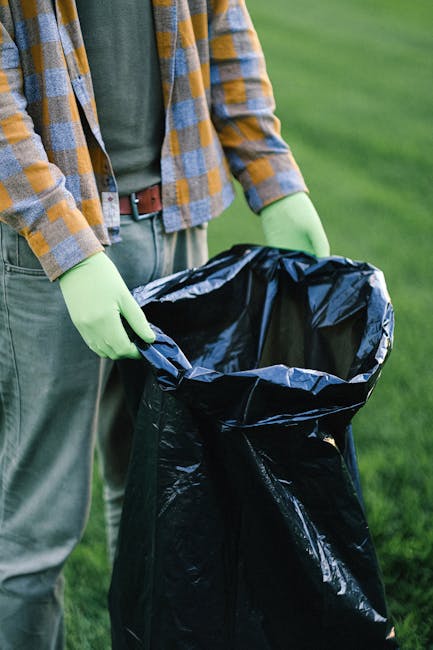
- Heavy-duty gloves for thorny cuttings, splinters, and rough timber
- Securing straps or twine for bundled branches and canes
- Sturdy sacks or containers for separated waste streams
- A rake and shovel for clearing fine debris, soil, and leaf litter
- A wheelbarrow or garden trolley for moving heavier loads safely
- Floor protection if waste has to pass through a hallway or side entrance
It also helps to know where your waste fits within the broader local disposal picture. For example, if you are dealing with a one-off pile after a bigger clear-out, rubbish clearance in West Hampstead may be more suitable than trying to force everything into garden-only disposal. If your project has expanded into a full property tidy, your rubbish removal needs page can help you think through the wider options.
And if you are the sort who likes to plan around local logistics, there are useful articles such as West End Lane rubbish collection made easy and affordable rubbish clearance on Iverson Road that reflect how local collection challenges often play out in practice.
Law, Compliance, Standards, or Best Practice
When people clear garden waste, they sometimes focus only on convenience and forget the rules around safe disposal and responsible handling. You do not need to become a compliance expert, but you do need to be sensible.
In the UK, best practice generally means keeping waste properly contained, preventing fly-tipping, and using lawful disposal routes. If you hire someone to remove waste, you should be comfortable that they are operating responsibly and that the waste will not simply disappear into a vague, untraceable chain. That is the kind of thing people only think about after there is a problem. Better to think about it before.
For West Hampstead specifically, local council rules and bulky waste arrangements can affect how and where items are left, especially for street-facing collection. If you are unsure, it is worth reading local guidance such as Camden Council rubbish rules for West Hampstead and the more specific bulky waste permits guide. If your garden waste forms part of a larger household clear-out, a house-wide approach may make more sense than treating every item separately.
Best practice also means caring about safety. Wet paving, lifting strain, hidden sharps, and unstable stacks are all avoidable issues if you slow down a little. No one gets a medal for rushing through a clearance badly.
Options, Methods, or Comparison Table
There is no single right way to deal with garden rubbish. The best option depends on volume, weight, access, and how mixed the material is. Here is a simple comparison.
| Method | Best for | Strengths | Limitations |
|---|---|---|---|
| DIY bin sorting | Very small amounts of light green waste | Low cost, simple, familiar | Slow, space-limited, not suitable for heavy or mixed loads |
| Periodic staged removal | Moderate garden tidies spread over a few days | Flexible, manageable, less physical strain | Needs planning and patience |
| Professional garden clearance | Large, awkward, or mixed garden loads | Fast, organised, better for heavy material | Usually costs more than DIY |
| Combined waste removal | Garden waste plus household or renovation debris | Efficient for bigger projects, fewer handovers | Requires clearer sorting and planning |
For many West Hampstead gardens, the best route is a blended one. Small green waste may go one way, bulky broken items another, and anything left over handled as mixed waste. That is usually less stressful than trying to squeeze the whole thing into one approach and hoping for the best. Hope is not a disposal strategy, after all.
Case Study or Real-World Example
Picture a small rear garden behind a West Hampstead terrace after a long winter. There is overgrown ivy on one fence, a cracked plastic shed panel, several sacks of old compost, a pile of pruned branches, and a few rusty tools no one wants to touch without gloves. The owner initially thinks it is "just green waste." It is not.
On a first pass, everything gets separated. Branches are bundled, the old shed pieces are stacked apart, the compost is kept away from lighter clippings, and the rusty metal is isolated for safe handling. The access route through the side passage is checked before anything moves. A tarpaulin is laid down because the paving is wet from an early morning shower. By noon, the garden is clear enough to walk through properly again, and the route has stayed tidy the whole time.
The important bit is not that the job was dramatic. It was actually pretty ordinary. But because the waste was sorted early, there was no confusion, no half-collapsed bag of wet material, and no awkward discovery of a hidden nail halfway through the load. The owner said the best part was simply seeing the space again. Fair enough. That first clear view through a garden after clutter has gone can feel oddly satisfying.
Practical Checklist
Use this checklist before you start a West Hampstead garden clearance.
- Have I identified all waste types in the garden?
- Have I separated green waste, soil, wood, metal, and general rubbish?
- Do I know which items are reusable or repairable?
- Are there any sharp, heavy, or unstable items that need extra care?
- Is the access route clear and protected?
- Do I have enough containers or sacks for the job?
- Have I checked whether any local collection or permit rules affect the plan?
- Will the chosen removal method suit the weight and mix of waste?
- Have I kept wet waste separate where possible?
- Have I done one last sweep for small hidden debris?
If you can tick most of those off, you are already ahead of many rushed clear-outs. That is usually enough to keep the day manageable.
Get a free quote today and see how much you can save.
Conclusion
Garden rubbish removal does not need to be complicated, but it does reward a bit of care. In West Hampstead, where access can be tight and gardens can be small but surprisingly busy, the biggest mistakes are usually simple ones: mixing waste, lifting too much, ignoring access, or leaving disposal decisions until the last minute. Avoid those, and the whole process becomes easier, safer, and far less stressful.
Think in categories. Respect the heavy stuff. Keep the route clear. And if the job has grown beyond a neat weekend tidy, choose a method that fits the mess rather than forcing the mess into a method. That one small mindset shift can save a great deal of effort.
At the end of the day, a garden clear-out should leave you with more space, not more headaches. And ideally, with a better view from the kitchen window on a quiet evening. Lovely, really.
 Tipper Van - Rubbish Clearance and Garden Waste Collection Prices in West Hampstead, NW6
 Luton Van - Rubbish Clearance and Garden Waste Collection Prices in West Hampstead, NW6


